Art, barbershops and the power of listening

My father, a barber, understood the power of listening. I learnt from him how important it is.

 ‘The barber is the working man’s psychiatrist.’ he would tell us. His customers ranged from judges in the high court of Ireland to members of the paramilitaries and everyone in between.  I would ask him what sorts of things people told him while they were ‘on the chair’; he would never disclose. It was sacrosanct.
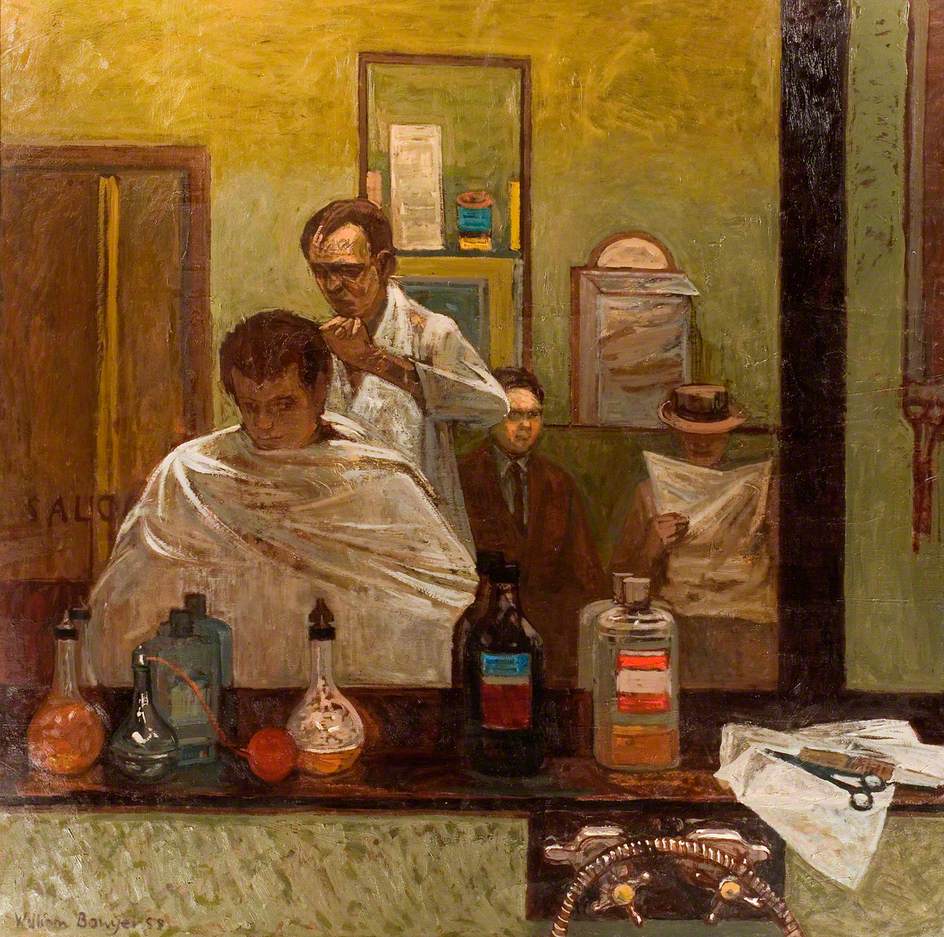
Bowyer, William; Short Back and Sides; The Potteries Museum & Art Gallery; http://www.artuk.org/artworks/short-back-and-sides-19691

Whatever you say, say nothin’

Men told him things they wouldn’t tell their wives, or even their priest. At the height of The Troubles, he said some of the things he heard made the hair on the back of his neck stand up.  But he knew that the barbershop was one of the few spaces that men felt comfortable and safe enough to talk. And so, he listened.

Saturday job

I worked in his barber shop every Saturday from the age of 14 for a few years. I’d stand at the till waiting to take payment from customers, and I watched how he listened. The first time I saw it, I was struck by how physical it was. Standing behind the chair, looking at the customer in the mirror, listening intently. The hair cutting had stopped; something important was being said. A stillness came over him as the man in the chair spoke. The look on my Dad’s face, focused but not intense, empathetic without being patronising. And when it was his turn to speak, they listened back.

The impact on wellbeing

Not every customer interaction was like this of course, most of the time it was small talk or no talk at all but every now and again I could tell he was having a real conversation.  I learnt a lot about the importance of listening on those Saturdays. Men, even the ‘hard’ ones, walked out lighter than when they walked in.
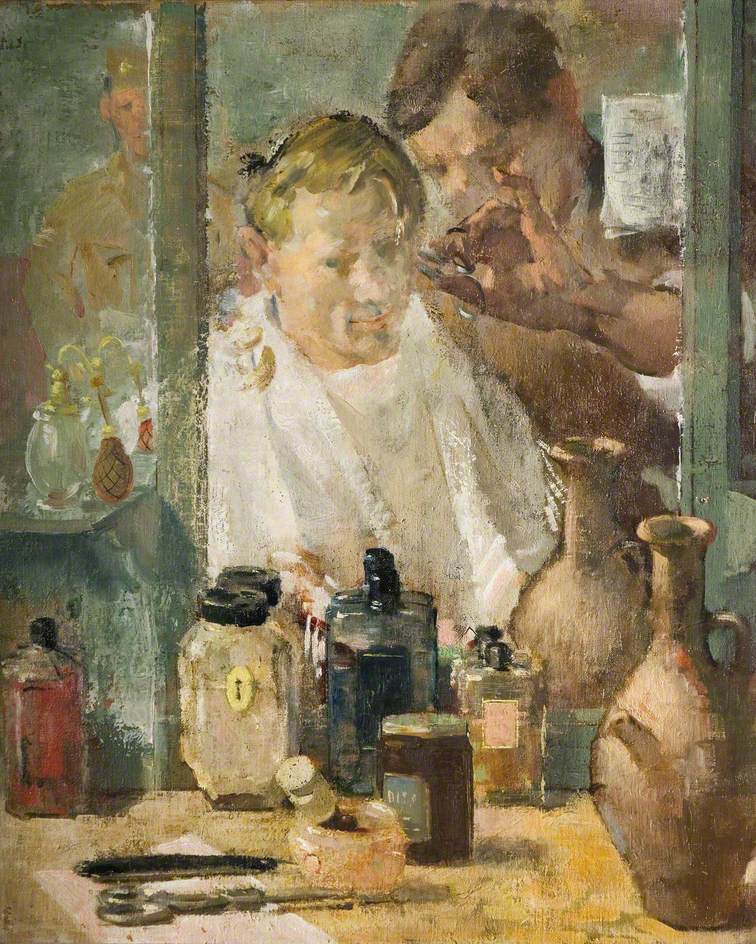
Blamey, Norman Charles; Camp Barber; Wolverhampton Arts and Heritage; http://www.artuk.org/artworks/camp-barber-18598

Art as a springboard for conversation

Being heard, sharing our stories with all our flaws and vulnerabilities, and having that story met with kindness is one of the greatest experiences we can have for our mental health. In museums and galleries we often encounter people’s narratives. When you gather a group of individuals in front of an artwork and ask them what they think of it, you’d be surprised by what comes out. The lives being lived, the perspectives, the personal histories. It’s all in there.

It’s a privilege in my job to hear what people think about art because what they’re really sharing with me is their story. And so, I listen.

Louise Thompson
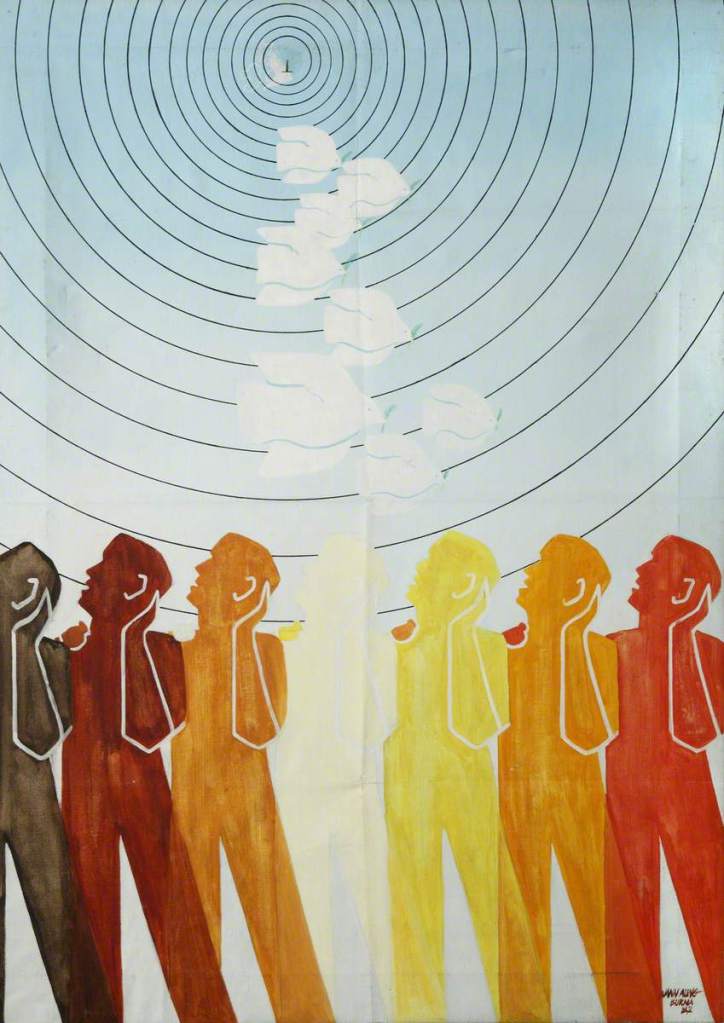
Aung, Nann; Broadcast*; BBC; http://www.artuk.org/artworks/broadcast-216575

Navigating traumatic museum collections

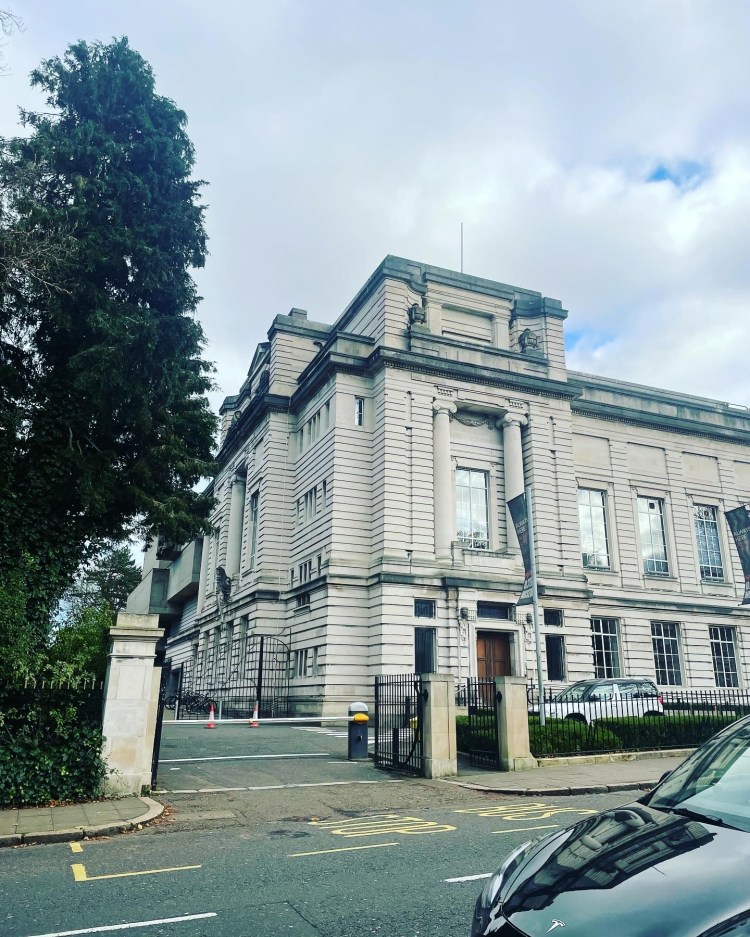
Last week I travelled to my hometown Belfast to speak to the wonderful staff at the Ulster Museum.

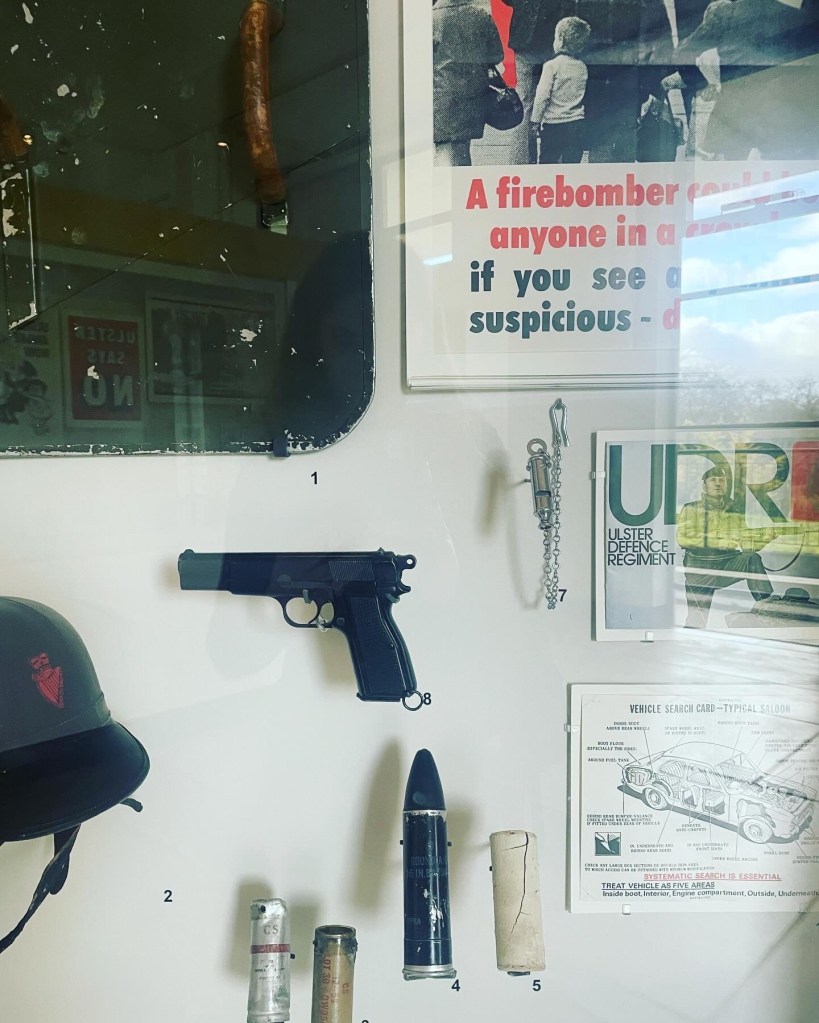
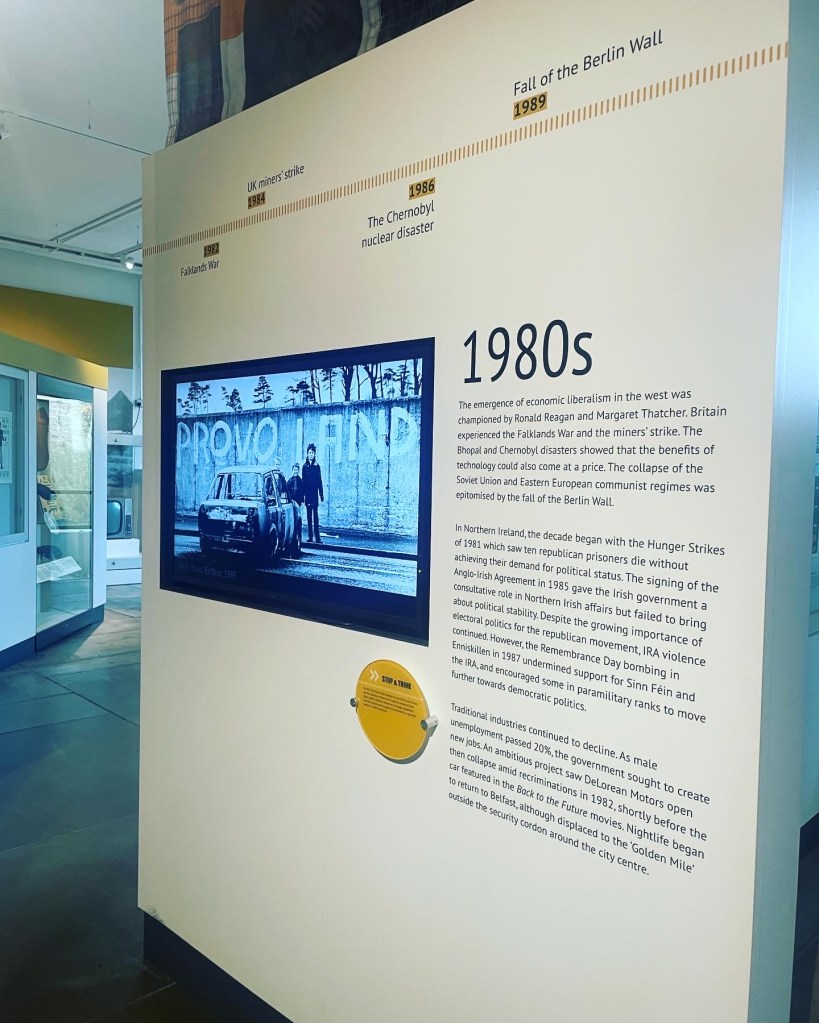
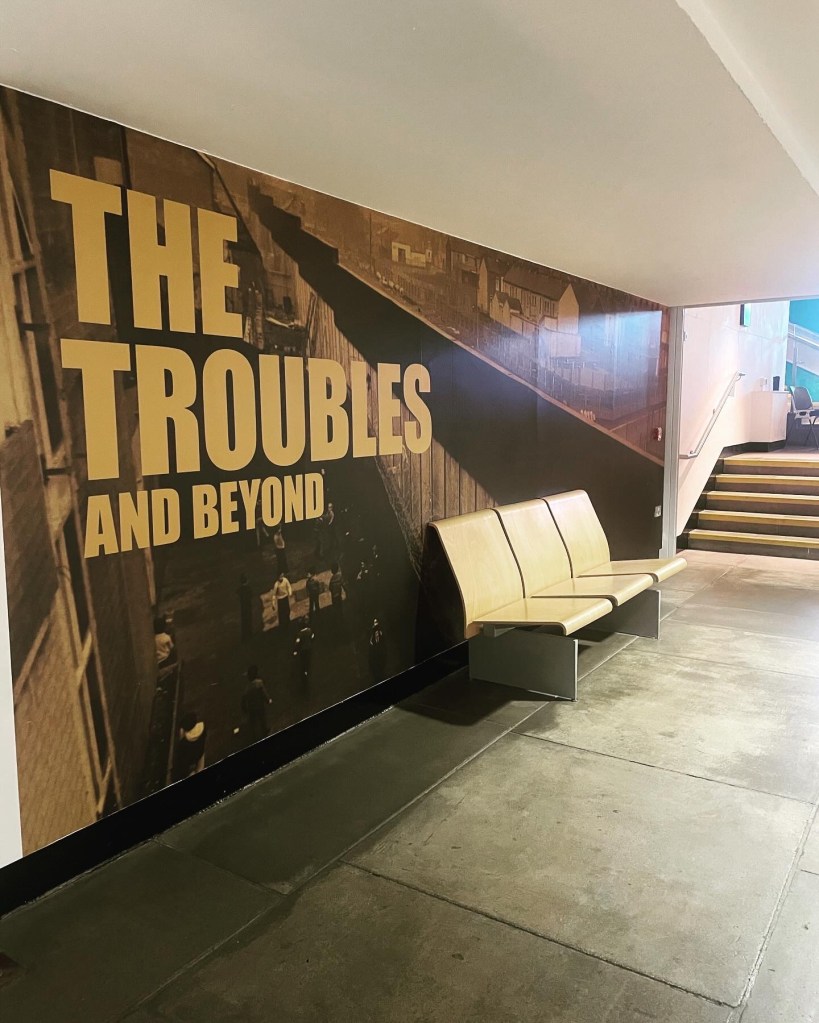
🏛️ I met with Louise Smyth and the curator of The Troubles and Beyond exhibition Karen Logan and asked them how the museum navigated working with collections that are so explicitly connected to personal and collective trauma.
There are literally weapons on display (talk about challenging objects!) and imagery that will no doubt evoke strong emotional responses in both visitors and staff.

What I found most inspiring about their responses was the strong feeling of ‘yes, this is a tough and potentially re-traumatising subject matter but it’s important to share the stories of the conflict’. The sharing of stories is part of the healing process. People often want others to bear witness to their pain.

🏛️ But it’s also important to note that whilst some people want to share, others do not… or at least, not yet.

📍How does a museum bear witness to a painful past through its objects and stories and do it in a way that minimises harm in those still living with the trauma of it?

This is the question.

thinking out loud

I’m in Milan! On holiday with my family… but visiting the many wonderful museums here I can’t help but reflect on what a trauma-informed museum would look, feel, behave like.

On a visit to one museum I was told I had to follow a particular route around the spaces. When I tried to go a slightly different way, I was sternly told ‘No’ by staff who looked more like a police officer than a visitor team member.

🖐️It wasn’t even a busy museum, I still don’t know why I had to walk this route. So what? you might be thinking. Well, what struck me was I had no CHOICE in this matter. Along with a few other matters I discovered in the course of my visit. It was clear who was ‘in charge’ in the dynamic and who wasn’t. Hmmm…

Choice – is a key principle of trauma-informed practice. It’s important to integrate choice in a museum experience in any way we can.

Choice supports traumatised people to have a sense of agency and feel in control in a situation – these are often the things that were taken away from them in their trauma.

🏛️ I’m not saying that being told what way to walk around a museum will necessarily cause an extreme emotional response in a person, I’m simply saying… it’s not ideal. These rules and the manner in which we enforce them matter.

🤔 And as museums the very least we can ask ourselves is ‘Are they really necessary?’.