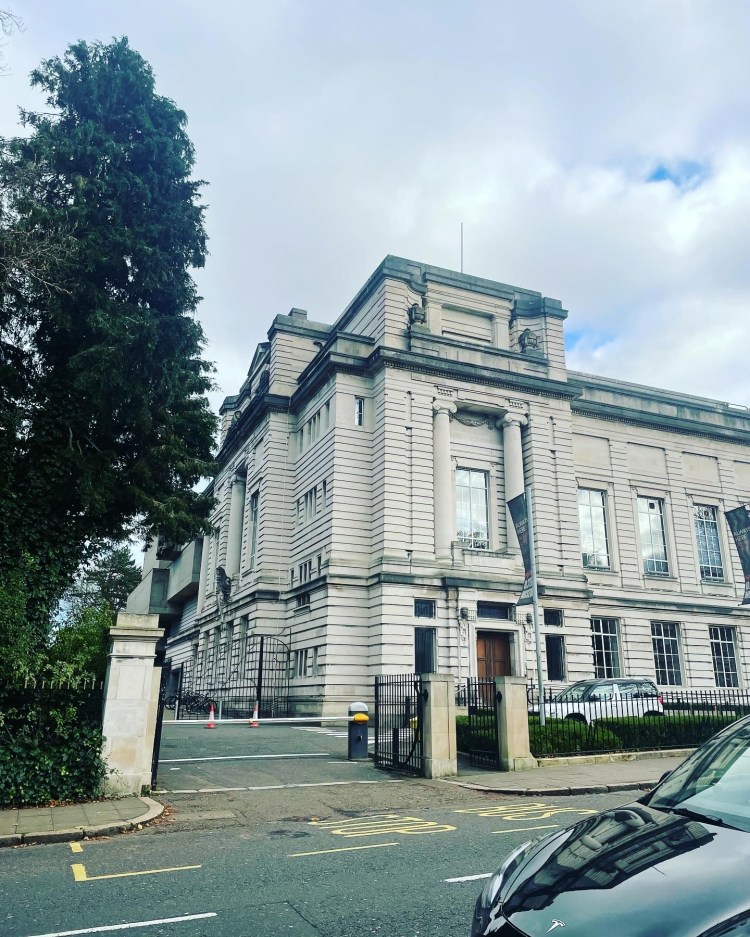
Last week I travelled to my hometown Belfast to speak to the wonderful staff at the Ulster Museum.
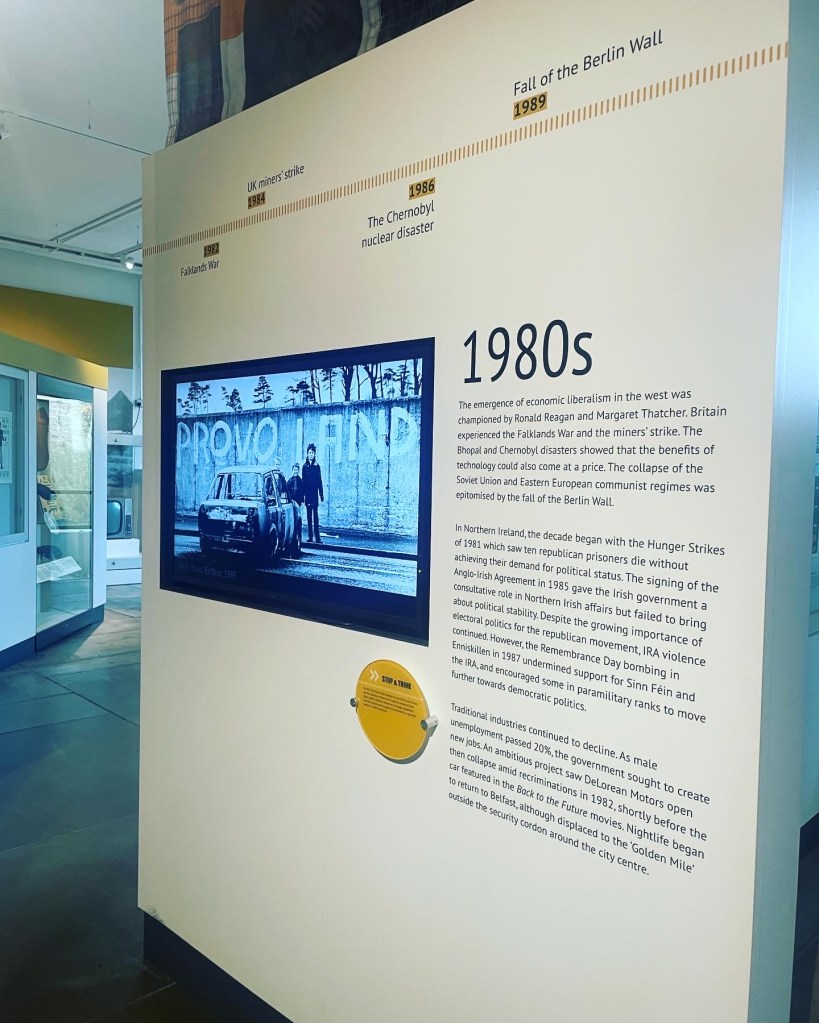
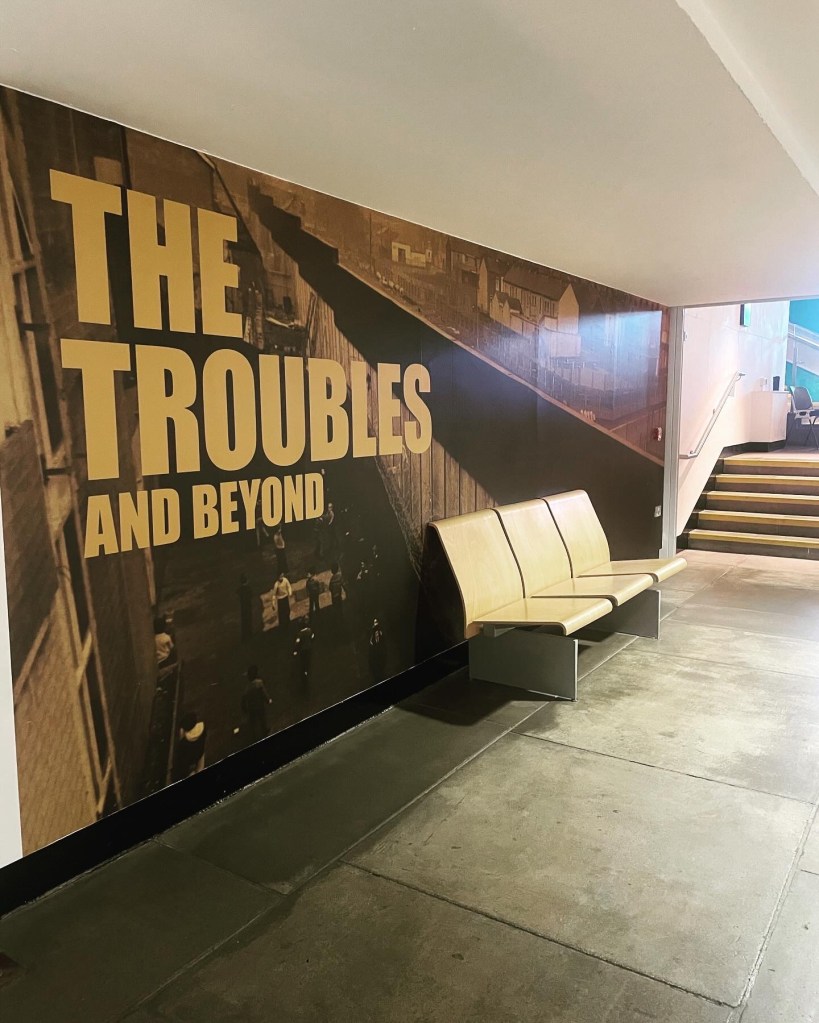
🏛️ I met with Louise Smyth and the curator of The Troubles and Beyond exhibition Karen Logan and asked them how the museum navigated working with collections that are so explicitly connected to personal and collective trauma.
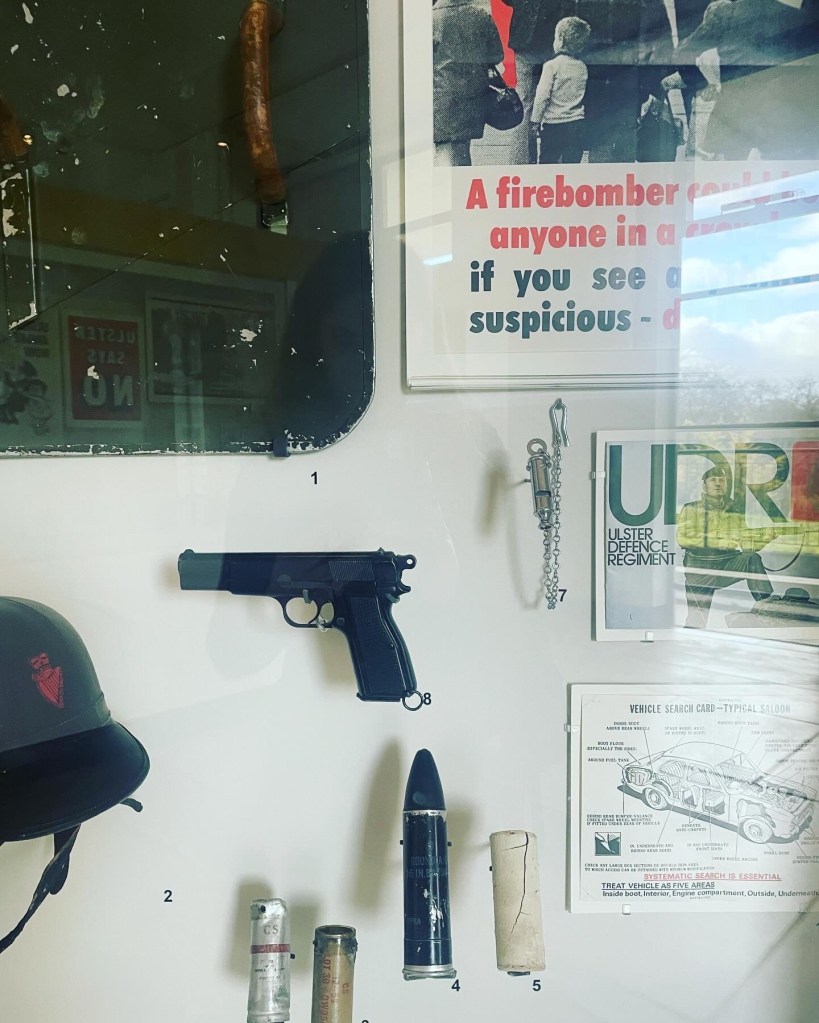
There are literally weapons on display (talk about challenging objects!) and imagery that will no doubt evoke strong emotional responses in both visitors and staff.

What I found most inspiring about their responses was the strong feeling of ‘yes, this is a tough and potentially re-traumatising subject matter but it’s important to share the stories of the conflict’. The sharing of stories is part of the healing process. People often want others to bear witness to their pain.
🏛️ But it’s also important to note that whilst some people want to share, others do not… or at least, not yet.
📍How does a museum bear witness to a painful past through its objects and stories and do it in a way that minimises harm in those still living with the trauma of it?
This is the question.


This blog post highlights the courageous work of the Ulster Museum in navigating such a sensitive subject matter. It’s truly inspiring to see their commitment to sharing the stories of the conflict, understanding the healing power of bearing witness. My question is: How does the museum strike a balance between honoring the painful past through its objects and stories, while also minimizing harm for those who are still living with the trauma?
LikeLike