I first met Jules Wooding, Museum Manager at the Cumbria’s Museum of Military Life, through one of my online Trauma-Informed Practice in Museums training sessions for the Northern Military Museums Network in early 2026.
During the session, Jules shared the story of Blood, Sweat and Tears, an exhibition co-created with veterans who had served in Afghanistan. As she spoke, I was struck by how naturally the project embodied many of the principles that underpin trauma-informed practice. Later, I asked if we could talk in more detail about how the project had evolved. This is Jules’s story.
After securing funding, Jules organised an open day for veterans. What followed was not a traditional consultation exercise. Instead, veterans began talking to one another, sharing memories and experiences. As Jules put it, “I just started asking questions… and then the interaction started.”
The museum created a space where people could engage on their own terms. This reflects the trauma-informed principle of safety, allowing participants to contribute without pressure or expectation.
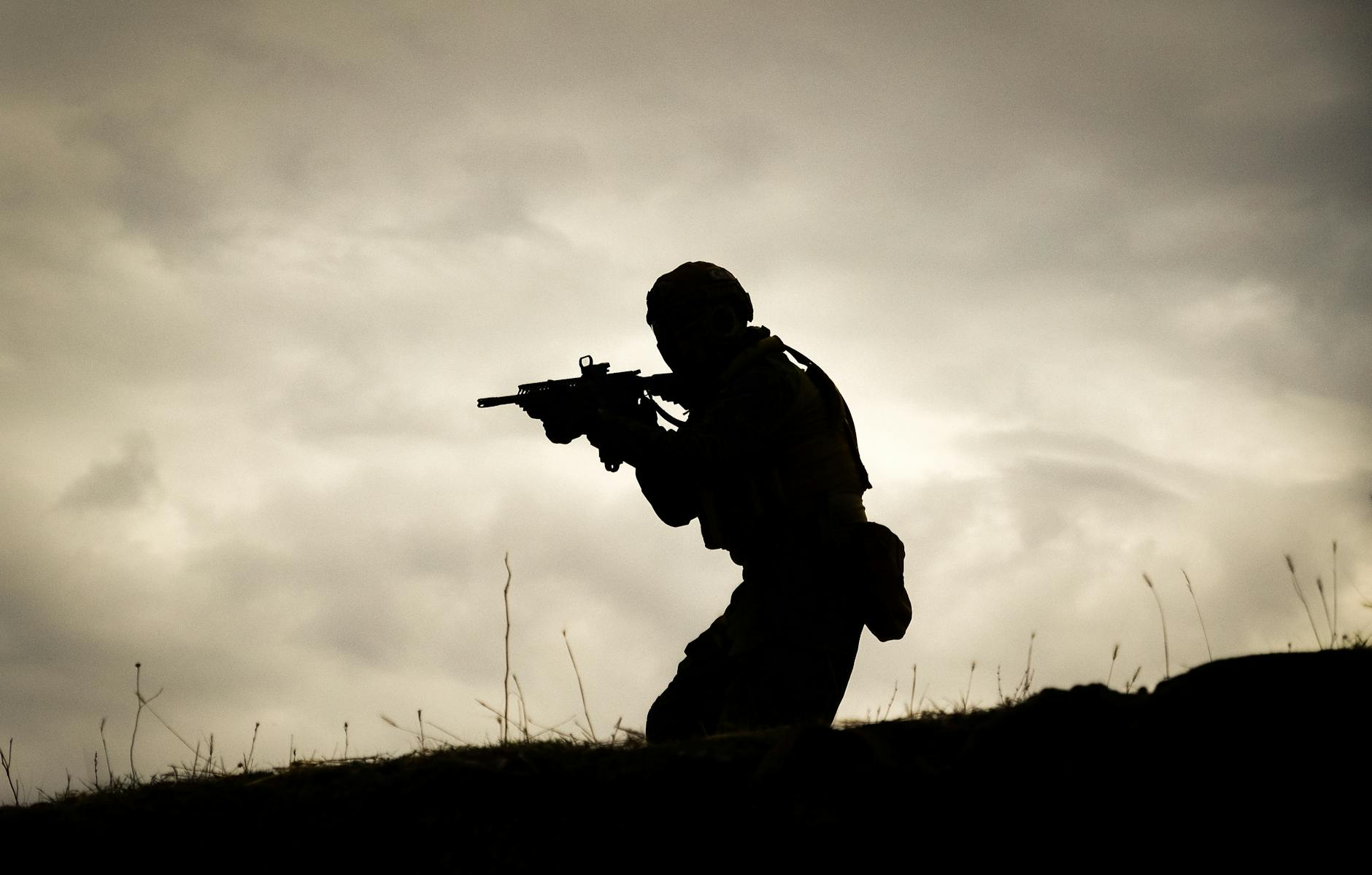
As conversations developed, so did the project. Veterans recommended it to others and participation grew organically. “They then started talking to people who talked to people,” Jules recalled. Ultimately, more than 30 veterans became involved.
Importantly, the exhibition focused on everyday experiences rather than military operations. Participants talked about food, water, sleeping arrangements, communication with home and daily routines. Jules remembered asking, “What was it like for you?… How did you go to the toilet? How did you sleep?”
For many veterans, this opportunity to talk was significant. Jules explained that some felt when they returned from Afghanistan, people believed they already understood the conflict because they had followed it through the media. As a result, “they didn’t feel that they could talk about it.”


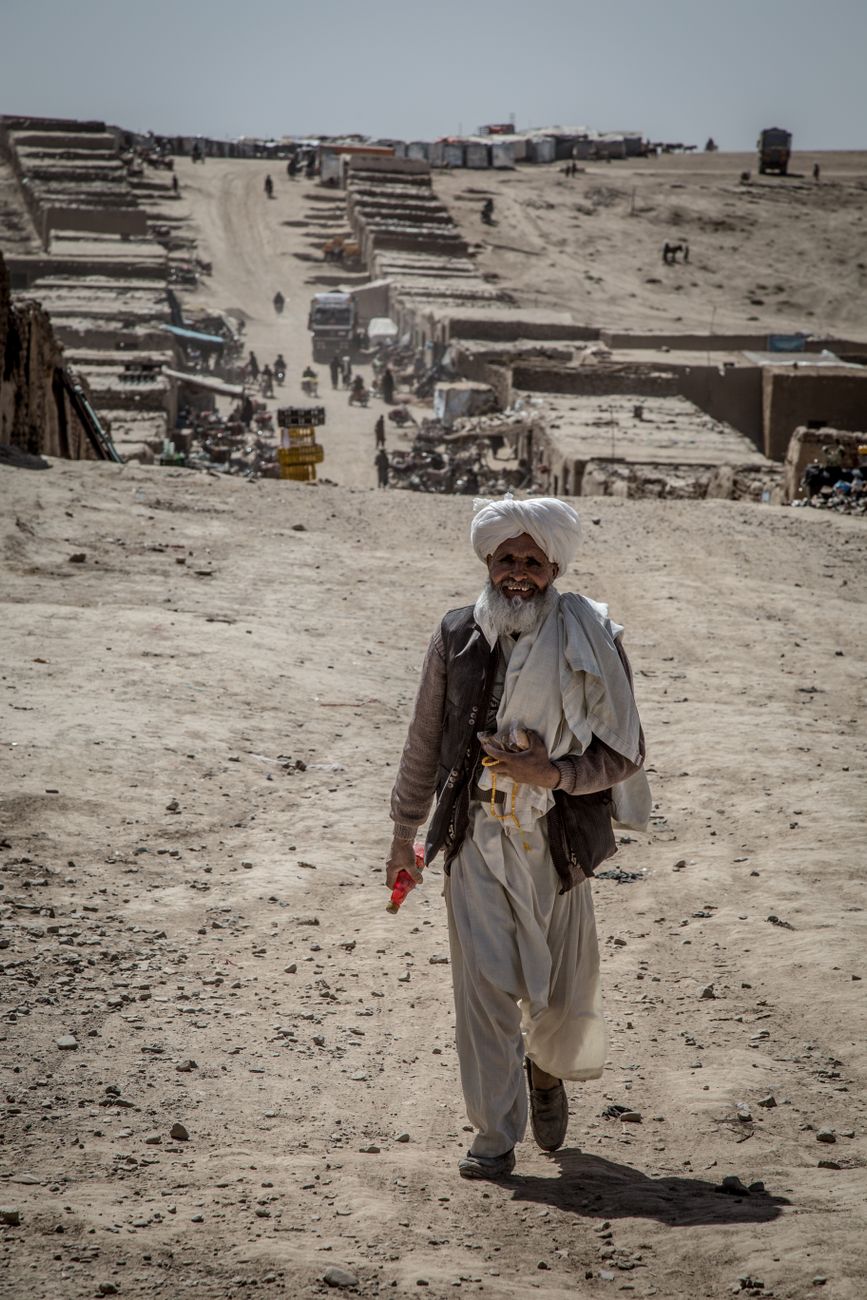
The project therefore became about much more than creating an exhibition. It became, in Jules’s words, “their opportunity for their voice.”
One of the most important aspects of trauma-informed practice is creating opportunities for people to feel heard, acknowledged and understood. The museum didn’t tell veterans’ stories for them. Instead, it created a platform where they could share experiences in their own words and decide how those experiences would be represented.
As Jules explained, “It wasn’t about us telling their story… it had to be their words.”
This commitment to choice, collaboration and empowerment extended throughout the project. Participants helped shape the exhibition, contributed photographs and objects and even decided how the resulting film should be used. When asked whether it should be made publicly available online, they chose not to – and their decision was respected.
The final exhibition had a profound impact. One participant later told Jules, “I watched it and I cried.” Others described feeling recognised and understood through the process. Projects like Blood, Sweat and Tears remind us that museums can be far more than places that preserve objects and interpret history. They are spaces where people feel seen, where experiences are witnessed and where stories that might otherwise remain untold can be shared, valued and preserved for future generations.
Special thanks to Jule Wooding, Museum Manager of Cumbria’s Museum of Military Life.

